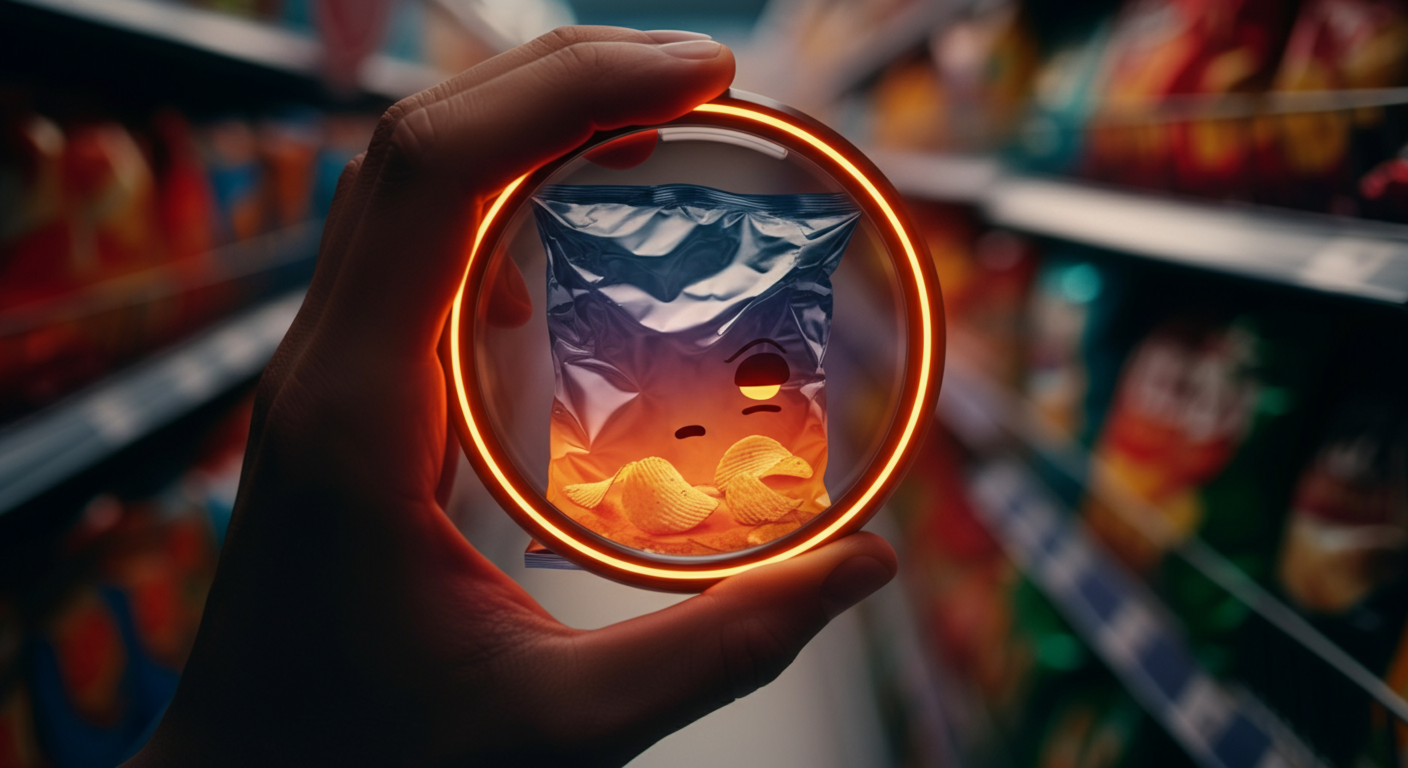
You aren't losing your mind. That bag of coffee is lighter, but the receipt is heavier. While the Bureau of Labor Statistics (BLS) confirms a brutal 25.8% spike in grocery prices since 2020, the real scandal isn't on the sticker.
It’s in the math you’ve been trained to trust.
For years, the golden rule of frugal shopping was simple: "Check the Unit Price." That orange tag on the shelf was supposed to be the great equalizer. It is now a trap. Manufacturers are weaponizing "Net Weight" loopholes—charging you for the brine in your feta or the ice glaze on your frozen salmon—to render that per-ounce calculation mathematically useless.
They know you check the orange tag. They are counting on it.
This isn't just inflation; it is a rig designed to break your internal calculator. Forget the sticker price. Here is the formula you need to stop paying for saltwater and air.
The Unit Pricing Trap: Why the Orange Tag is a Lie
Old-school finance advice insists you check the unit price to save money, but that rule is dangerously obsolete. Manufacturers and retailers have twisted the math behind those orange shelf tags to ensure the "cheaper" option often costs you significantly more.
ð Key Takeaways
- The Unit Pricing Trap: Why the Orange Tag is a Lie
- Skimpflation and the Digital Shelf
- Insider Moves Most People Miss
The deception hides in the gap between Net Weight and Drained Weight. The FDA allows companies to calculate unit price based on the total contents of the package, including the brine, syrup, or packing water you immediately pour down the sink. When you buy canned corn or mozzarella balls, the shelf tag divides the price by the gross weight, artificially lowering the cost per ounce to make the product look competitive.
Consider the "Glaze Tax" on frozen proteins. Industry standards permit a protective ice coating on frozen fish or chicken that can account for up to 20% of the total weight. You think you are paying $9.99 per pound for salmon, but after the ice melts, you actually paid nearly $12.50 for the meat. The store’s digital shelf tag will never reflect this variance.
"Retailers know consumers are hunting for value, so they manipulate the denominator. If you aren't calculating price based on edible ounces, you're paying a premium for water." — Edgar Dworsky, Founder of Consumer World
This goes beyond simple Shrinkflation. It is structural manipulation. Stop trusting the store's calculator. Unless you do the "drained weight" math yourself, you are unknowingly subsidizing the grocery industry's margins with every trip to the register.
Skimpflation and the Digital Shelf
While 60% of consumers have noticed packages getting smaller, fewer spot Skimpflation. This is the subtler, nastier cousin of shrinkflation, where brands reformulate products with cheaper ingredients—swapping sunflower oil for water or reducing the cocoa butter content—without changing the label's look. You aren't just getting less; you're getting worse.
Senator Bob Casey released a blistering report on this "Greedflation" in 2024, exposing how corporate profits outpaced inflation. FTC Chair Lina Khan has since launched inquiries into grocery supply chains and price-fixing, but legal battles take years. You need to eat today.
The playing field is tilting even further with the arrival of Digital Shelf Tags (ESLs). These e-ink displays allow stores to alter pricing strategies instantly, opening the door for Dynamic Pricing—surging the cost of bread during rush hour. It makes memory unreliable. We desperately need a tool like CamelCamelCamel for the supermarket aisle to track price history, but until that exists, your only defense is skepticism.
Edgar Dworsky, who tracks these changes at Mouseprint.org, identifies this as the next phase of consumer erosion: "In 2020, they shrank the box. Now, they are shrinking the math. It is invisible inflation."
ð Worth Noting: That bag of coffee is lighter, but the receipt is heavier
Insider Moves Most People Miss
The "Unit Price" tag isn't your friend—it's often a broken calculator designed to stall your decision-making. Here is how to bypass the noise and measure real value.
- Calculate the "Drained Weight" Delta. Canned goods list Net Weight, which includes the brine or syrup you pour down the sink. For high-cost items like artichokes, ignore the front of the can; look for "drained weight" in small print to ensure you aren't paying premium prices for salt water.
- Audit the "Glaze Tax." Frozen seafood and poultry often feature an ice glaze to prevent freezer burn, inflating the sellable weight by up to 20%. If the package admits to a "15% solution," multiply the shelf price by 1.15 to reveal the true cost of the protein.
- Neutralize the Unit Mismatch. Retailers deliberately confuse Unit Pricing by listing one brand in pints and its competitor in fluid ounces or grams. Ignore the orange tag entirely and use your phone to convert everything to a single standard (ounces) before comparing.