Your lasagna isn’t dry because you lost your touch. It’s dry because the "standard" 16-ounce box of noodles quietly became 12 ounces while you weren't looking.
Stop Blaming Your Cooking: Shrinkflation Is Why Your Recipes Fail.
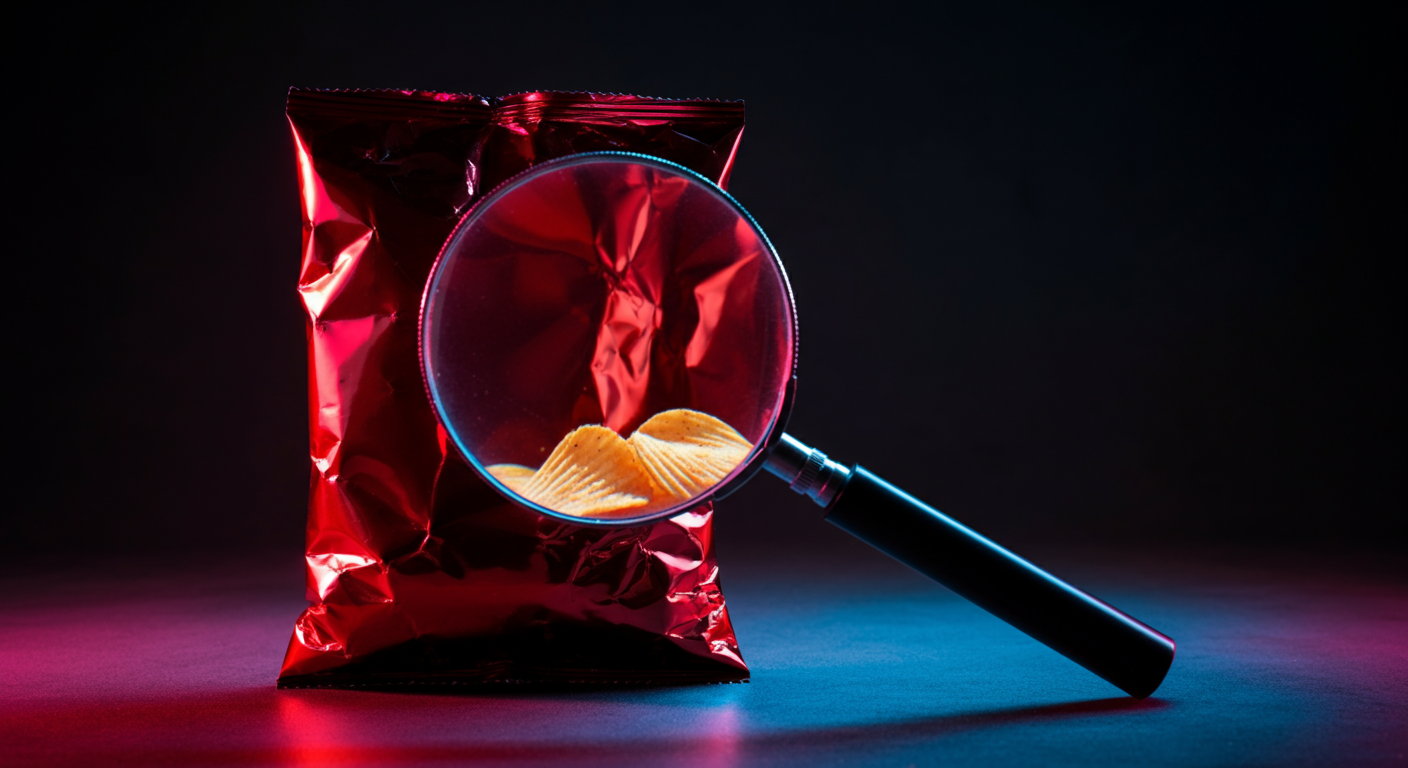
While the internet argues about the price of chips, Edgar Dworsky, the Sherlock Holmes of the supermarket and founder of Consumer World, has been tracking a quieter crime: the theft of your dinner ingredients. This isn't just about your wallet getting lighter; it’s about your grandmother’s casserole turning into soup.
Corporations lean on the Weber-Fechner Law—a psychophysics principle stating consumers rarely notice a size reduction under 10%—to protect profit margins without raising sticker prices. But chemistry doesn't care about quarterly earnings. When a vintage cookbook demands 16 ounces of crushed tomatoes and the modern can holds 14.5, the physics of your meal collapses.
You aren't just paying more for air. You are fighting a losing battle against 50 years of standardized cooking measurements.
The 'Recipe Breaker' Phenomenon
Most economic analysis is looking at the wrong numbers. While the Bureau of Labor Statistics (BLS) diligently tracks the price of a "basket of goods," they don't cook from it. If they did, they would see that the basket is physically breaking your dinner. The uncomfortable reality isn't just that you are paying more for less; it is that the standard units of measurement used in home cooking have been demonetized.
ð Key Takeaways
- The 'Recipe Breaker' Phenomenon
- The 'Two-Unit Trap': A 100% Cost Increase
- The Detective’s Toolkit: How to Audit Your Pantry
- Insider Moves Most People Miss
Consider the 16-ounce can. For decades, this was the atomic unit of American cooking. Today, that standard has eroded to 14.5 ounces. This isn't just a pricing strategy; it is a chemistry problem. When you use 9% less liquid in a braise because the can shrank, the viscosity fails. Manufacturers often blame supply chain constraints, but the result is the same: a recipe that worked in 2019 fails in 2026.
Even worse is Skimpflation. This is where brands don't just shrink the size; they reformulate the product with cheaper fillers—more water, less oil. So you have less product, and the product you do have is chemically different. Good luck getting that sauce to emulsify.
The 'Two-Unit Trap': A 100% Cost Increase
Pippa Malmgren coined the term "shrinkflation" back in 2009 to describe hidden inflation, but the modern grocery aisle has turned it into a math trap. Senator Bob Casey highlighted this in his reports on "Greedflation," noting that corporate price gouging often hides behind the guise of inflation.
Here is the trap: When a standard size breaks a standard recipe, you are forced to buy two units to bridge the gap.
To replace the missing 1.5 ounces of tomato sauce, you cannot buy a partial can. You must purchase a second full unit. Suddenly, the cost to execute a standard meal hasn't tracked with the 3.2% CPI; it has doubled. You pay a 100% transaction increase to use 10% of the second can, leaving you with a fridge full of expensive leftovers. This is the hidden tax no government chart displays.
The Detective’s Toolkit: How to Audit Your Pantry
According to Morning Consult Data (2023), 64% of consumers are anxious about shrinking products. Even the restaurant industry is feeling it, with the Yelp Economic Average (2023) showing a significant spike in reviews complaining about portion sizes.
So, how do you spot the con before you ruin dinner? You need to stop shopping like a consumer and start shopping like a forensic accountant.
- Weaponize the Unit Price Calculator: Ignore the big price tag. It's a lie. Your best weapon is the unit price (cost per ounce) listed in the fine print on the shelf tag. It is the only immutable metric in the store.
- Consult the Archives: Think a box feels light? Don't guess. Check Mouse Print, the definitive archive for visual evidence of downsizing. Or, use the Wayback Machine to pull up the product page on Walmart.com from 2021. If the Net Weight used to be 16oz and is now 14oz, you've been played.
- Crowdsource the Intel: Manufacturers won't announce they are shrinking the chocolate chips. But r/shrinkflation will. This subreddit acts as a real-time detective agency, spotting weight drops weeks before they hit the news.
Insider Moves Most People Miss
ð Worth Noting: But chemistry doesn't care about quarterly earnings
- Calibrate your legacy cookbooks. Recipes published before 2020 rely on 16oz cans and 12oz bags that simply don't exist anymore. If you don't manually add 1.5oz of liquid or filler to match today's 14.5oz standard, your texture suffers.
- Hack the 'Just Noticeable Difference.' Brands use the Weber-Fechner Law to shrink products by roughly 9%—the biological blind spot. If a package looks slightly different but you can't put your finger on why, check the weight immediately. It's not your imagination; it's math.